

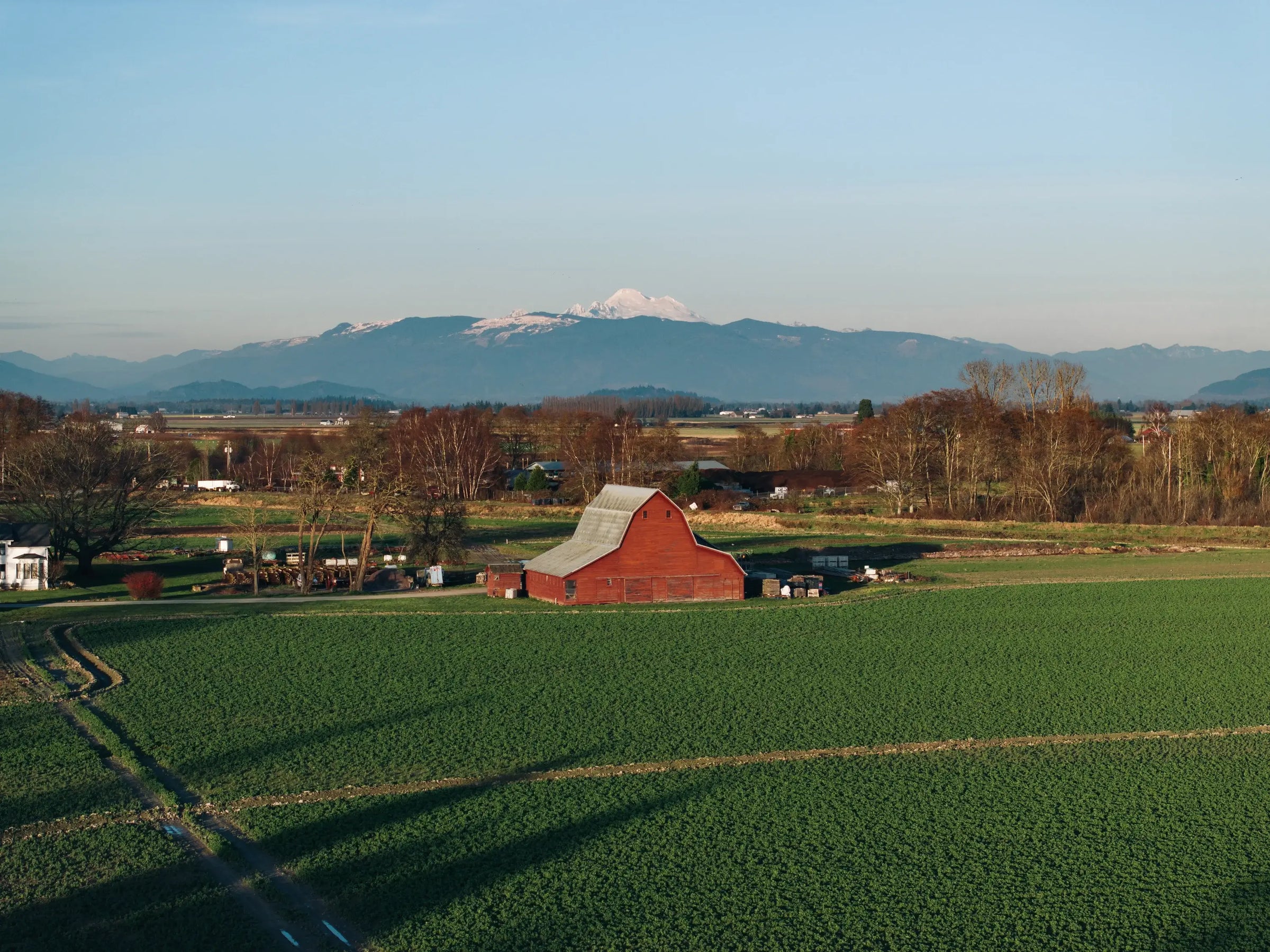
The Founding Story
In 2016, a group of Skagit Valley farmers, local economic development leaders, and bakers—including Cairnspring CEO Kevin Morse—founded Cairnspring Mills in Burlington, Washington.
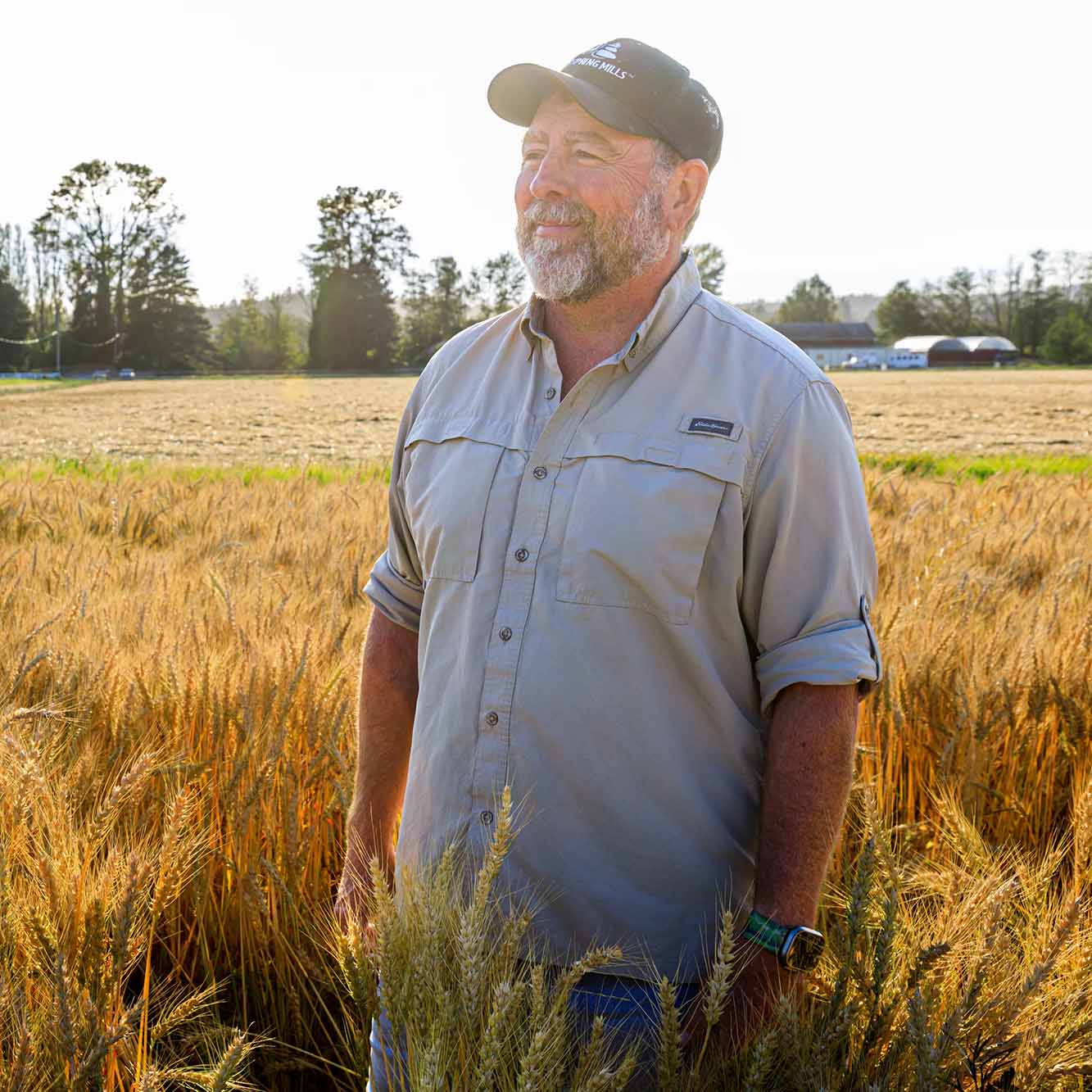
Farming with Purpose
Growing up in an Italian-American family, Kevin understood the central role food and community play in life. His later work as a farmer and with The Nature Conservancy deepened his commitment to rural economic development and rebuilding food systems. Those two passions drove the founding of Cairnspring Mills to answer critical challenges:
- How to ensure local farmers remain financially viable as urbanization and commodity pricing squeeze them out.
- How to preserve the agricultural heritage of the Skagit Valley and build markets for unique regional grains.
- How to shorten the distance between farmer and customer—even for staple crops like wheat.
- How to strengthen soil health and conserve farmland.
- How to make our communities more resilient in the face of climate change, breakdowns of global supply chains, and geopolitical conflicts.
A flour mill was the logical choice, taking advantage of the local tradition to grow wheat in a crop rotation scheme to rebuild soil health and to break disease cycles.
How Modern Flour Lost Its Soul
A century ago, there were over 20,000 flour mills in America. They were local, community-powered, and produced fresh ingredients and products.
Now, only a handful of massive mills dominate the industry.
Today, our food is made by large corporations focused on bigger, faster, cheaper systems without consideration of the impact — all at great expense to farmers, farmland, and ultimately, consumers.
Stripped of What Matters
Commodity growers are primarily focused on yield and efficiency when growing grains. The monocrop system they rely on is more vulnerable to disease, so farmers turn to harsh chemicals as harvest aids and synthetic inputs for pest and disease control.
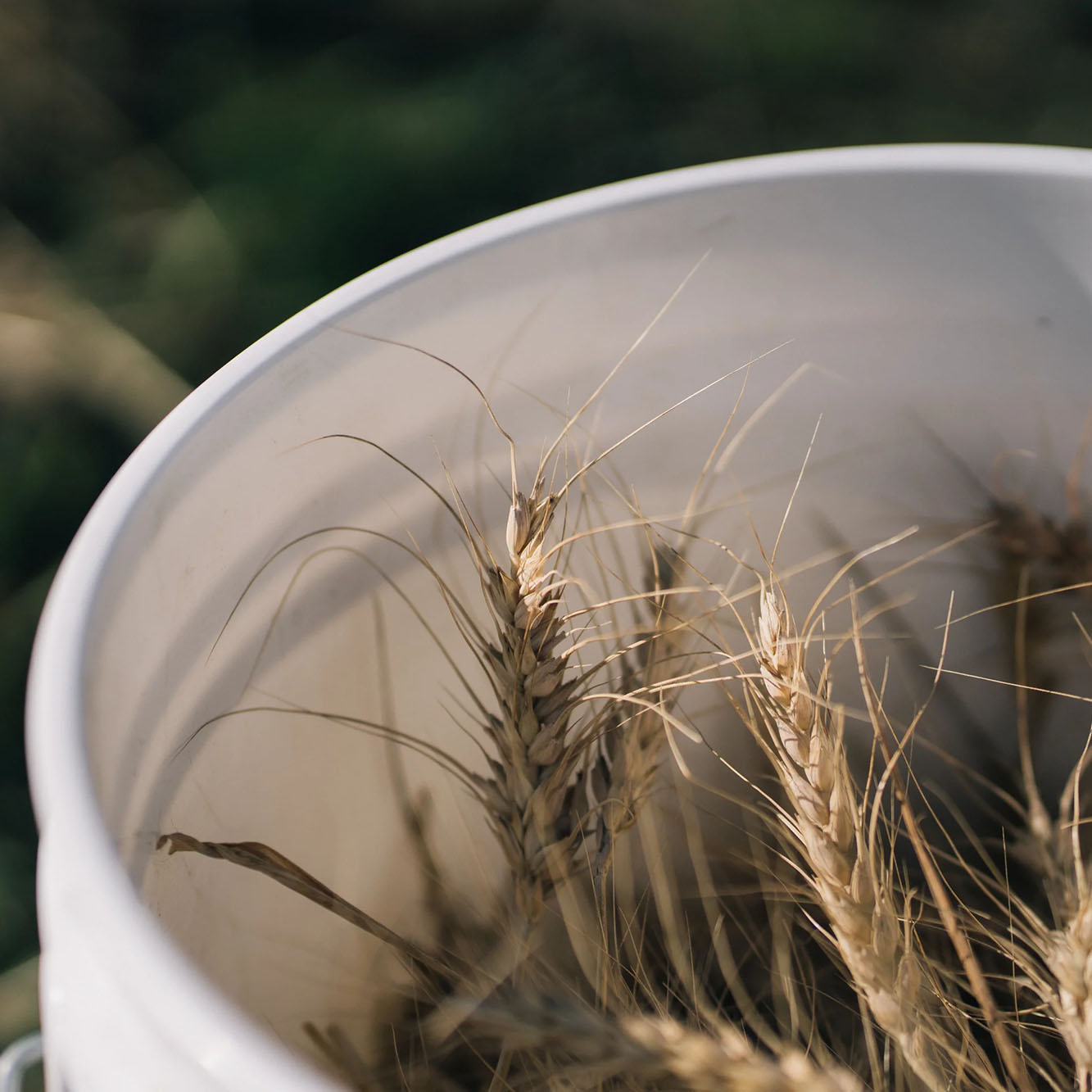
Once harvested, steel rollers at commodity mills strip away the wheat’s bran and germ, the parts that carry flavor, fiber, and nutrition, to extend shelf life. What’s left is bland white starch, “enriched” with synthetic additives to meet minimum standards.
In a market flooded with cheap grains and low-quality flour, farmers, consumers, our health, and the land pay the price.
Flour the way it’s supposed to be
At Cairnspring Mills, we take a different approach.
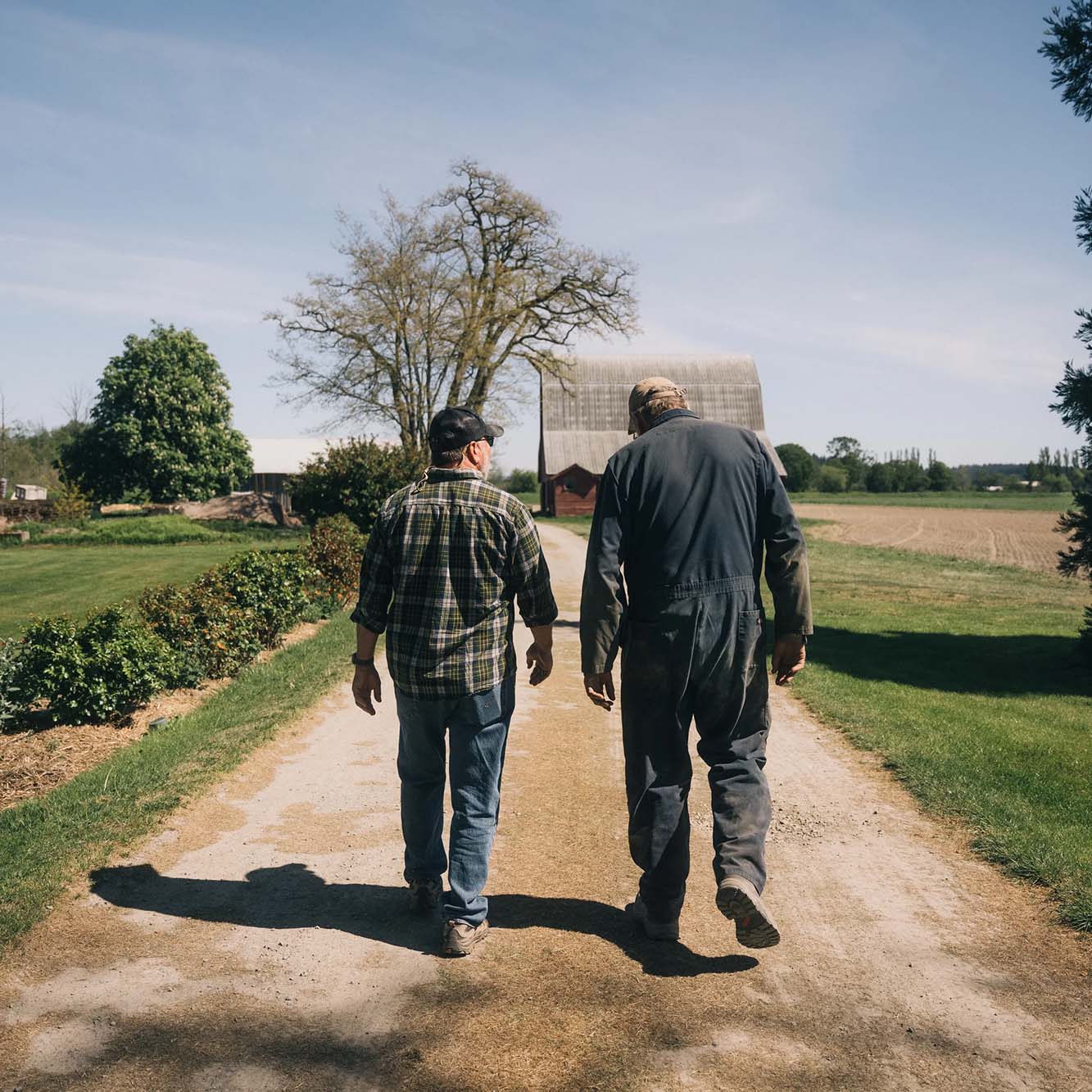
We source directly from farmers committed to soil health, using regenerative farming practices like crop rotation, animal integration, and no-till systems that prevent erosion.
Stronger Farms, Stronger Future
Regenerative farming is a holistic approach that allows farmers to adapt to their unique growing region and microclimate to reduce or eliminate synthetic inputs. Fully prohibiting neonic insecticides and glyphosate as a harvest aid allows us to exceed conventional standards.
We pay our farmers a premium for these regenerative practices and for growing grains with the flavor, nutrition, and baking performance that artisan bakers demand. By renewing our contracts annually, we work in concert with our growers to improve our standards every year.
Through these close relationships, we maintain complete traceability of the grain, the farm, and the farmer.
“Rebuilding local food systems is the best way to make communities healthier, more prosperous, and resilient.”
—Kevin Morse, CEO
Flour that Rebuilds
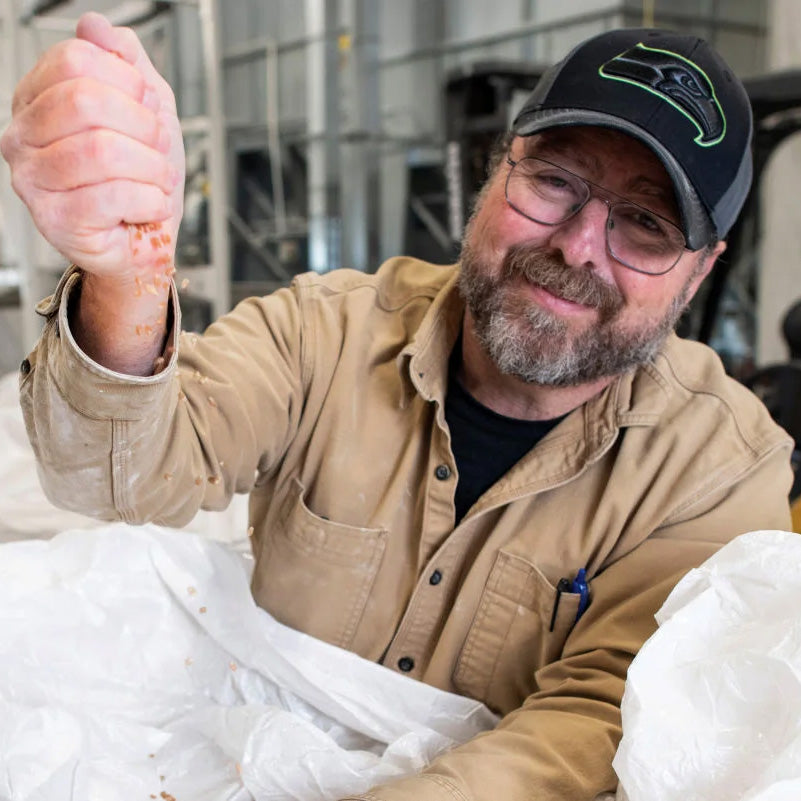
Since day one, Cairnspring has set out to reach more bakers, support more farmers, and expand our impact. Our small but mighty team has carried flour in Ziploc bags onto planes to meet customers, hand-stacked millions of pounds of 50lb bags, launched a direct-to-consumer business, grown our offerings and then scaled them back to meet demand, and worked alongside breeders and farmers to improve grain selection. The details of how we got to this moment in time are plentiful, but what has always been clear is that we’ve never been alone on the journey.
Over the years of hustling to stone-mill incredible, flavorful flour and spread the good word, we have been fortunate to receive overwhelming positive feedback from the bakers who choose to bake with our flour. So much so that we have inbound demand from customers that we can’t (yet) meet.
Growth with Purpose
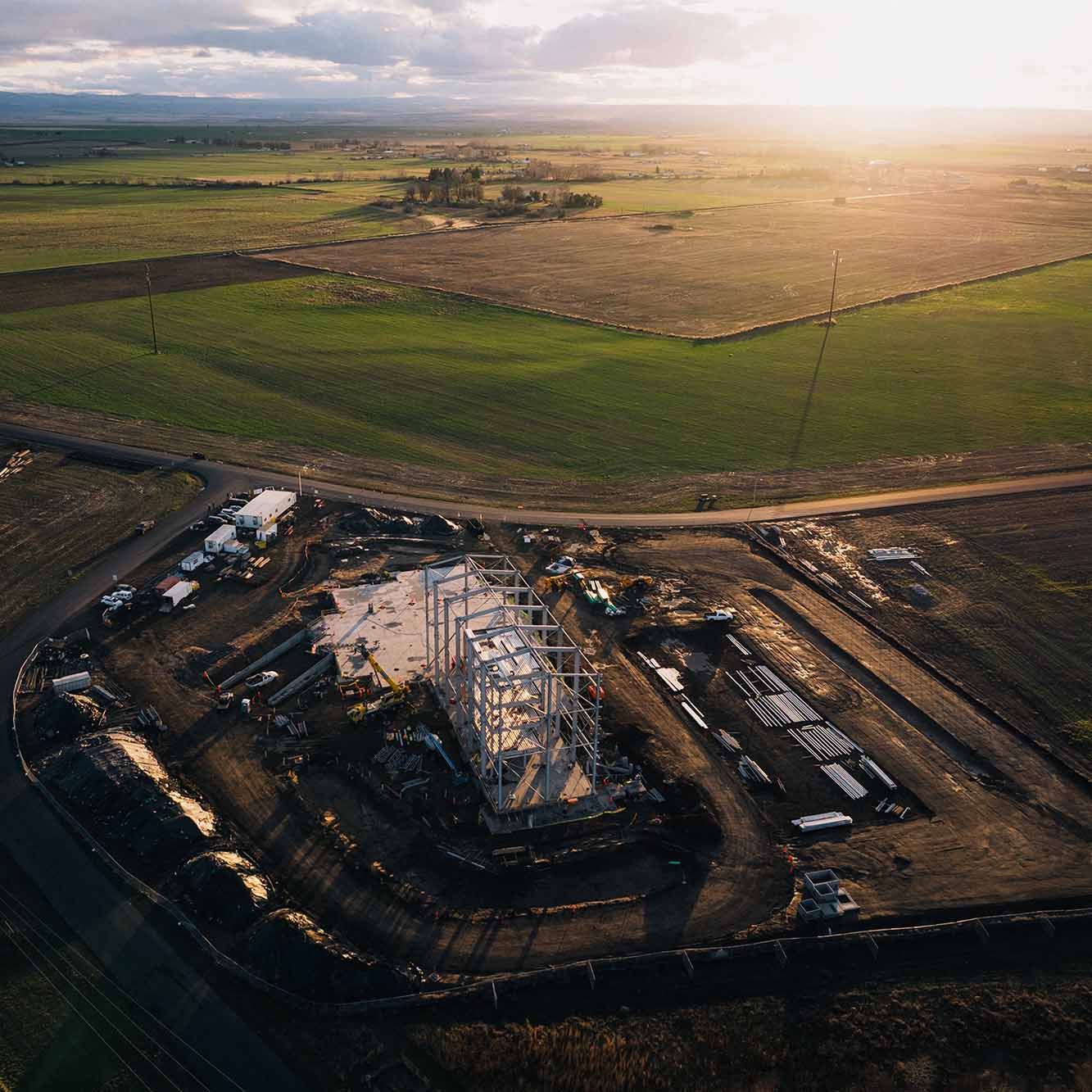
So, nearly three years ago, we set out to replicate our success in Skagit with a new mill in Umatilla County, Oregon, on the Columbia River Basin at the foothills of the Blue Mountains. It’s a simple way to describe what’s been a complex, partnership-driven effort.
The Blue Mountain mill is now under construction, with a Q3 opening expected. It will carry forward our stone milling process, scaled with advanced systems to support 10x production.
Built on tribal land in collaboration with the Confederated Tribes of the Umatilla Indian Reservation (CTUIR), the Blue Mountain mill will create over 20 local jobs and bring lasting positive economic activity to these communities.
Additionally, CTUIR will receive equity ownership of Cairnspring Mills to share more fully in the economic benefits of the mill.
In Appreciation
An Old Fashioned Barn Raising
From the beginning, this venture has been surrounded and supported by a community of leaders, including the Port of Skagit County, Dr. Stephen Jones and the team at The Bread Lab, Tom and Sue Hunton from Camas Country Mill, farmers Dave Hedlin, Tim Wallace and John Roozen, as well as founding board members Steve Brinn, Jerilyn Brusseau and Chris Brookfield.
We are grateful to have grown our incredible partner and support network over the years, without whom we could not have reached our current state, including, but certainly not limited to, the Confederated Tribes of the Umatilla Indian Reservation and Dan Miller and the Steward team.


