




Rooted in Responsibility
We’re on a mission to change the food system, and sourcing directly from farmers committed to soil health is central to delivering on that mission.
All of our farmers are contractually prohibited from using any desiccant as a harvest aid, including glyphosate (commonly known as RoundUp®), and prohibited from using neonicotinoids and biosolids.
NO DESSICANTS.
NO NEONICOTINOIDS.
NO BIOSOLIDS.
Our organic flours follow USDA certified organic standards, which already prohibit these practices. So why do these contractual standards matter? Because we hold our conventional farmers to them as well.
Cairnspring supports conventional growers in adopting regenerative practices and meaningfully measuring improvements over time. It’s one of the most powerful levers we have to lift farmers out of the commodity system. With the right tools and on-the-ground partnership, incremental changes at scale can drive significant environmental benefit.
Regional Sourcing
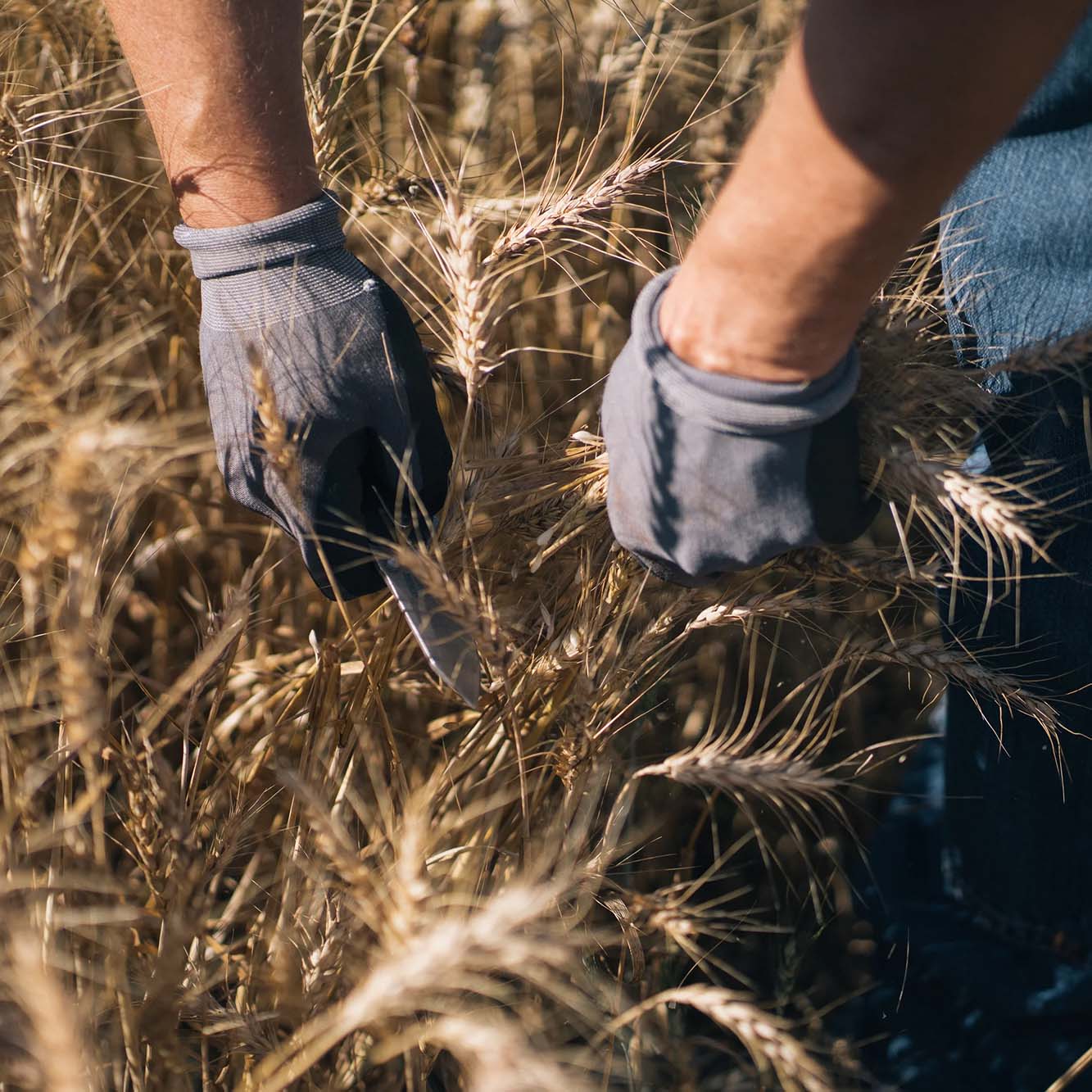
We source grain exclusively from farmers across the Pacific Northwest, building long-term relationships rooted in shared values.
There are two plantings each season—winter and spring—and one annual harvest. Because we don’t purchase on the commodity market, that harvest must sustain us for the entire year. This model requires deep coordination and trust, but it also creates a more resilient, transparent supply chain.
By sourcing regionally, we reduce transportation emissions, strengthen local agriculture, and stay closely connected to the land and people growing our grain.

Climate Accountability
In December 2025, Cairnspring Mills became the first flour mill ever awarded The Climate Label.
This certification reflects a comprehensive effort to measure, fund, and reduce emissions across our entire operation—from farm inputs to final delivery.
As of December 16, 2025, our mill operations and full supply chain are certified by Change Climate, including Scopes 1, 2, and 3 emissions, Reduction Action Plans, and a dedicated Climate Transition Budget.
What It Took
Measure
We calculated our full 2024 carbon footprint—19,000 tonnes of CO₂e—capturing all cradle-to-customer emissions, including agriculture, transportation, utilities, and business operations.
Fund
We established an internal carbon price of $15 per tonne, creating a Climate Transition Budget to invest in emissions reduction across our value chain and beyond.
Advocate
We’re committed to transparency, climate literacy, and advancing industry-wide change through education, partnerships, and public accountability.
Reduce
We identified emissions hotspots and developed time-bound Reduction Action Plans for the next 12–24 months.
Key initiatives include:
- Supporting regenerative certification through A Greener World across farms supplying our Blue Mountain mill
- Implementing the Cool Farm Tool with a growing percentage of our farmers to measure and manage on-farm emissions
- Expanding farmer engagement to drive continuous improvement and measurable reductions
Soil Health & On-Farm Impact
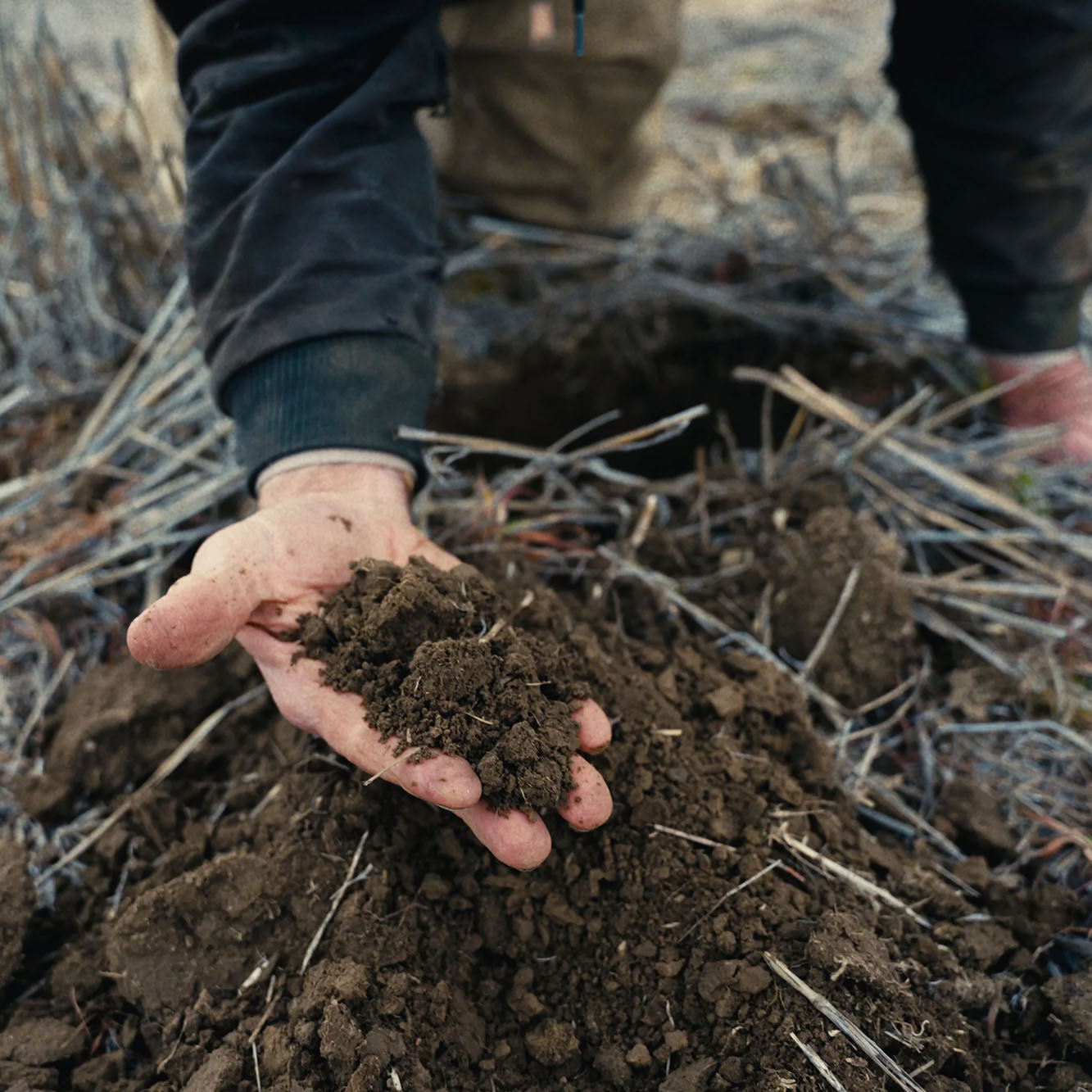
Healthy soil is at the center of everything we do.
Through our Soil Health Initiative and partnerships with organizations like A Greener World, we’re investing directly in farming practices that improve soil structure, increase biodiversity, and reduce reliance on synthetic inputs.
These efforts not only sequester carbon—they build more resilient farms and stronger regional food systems.
The Climate Label
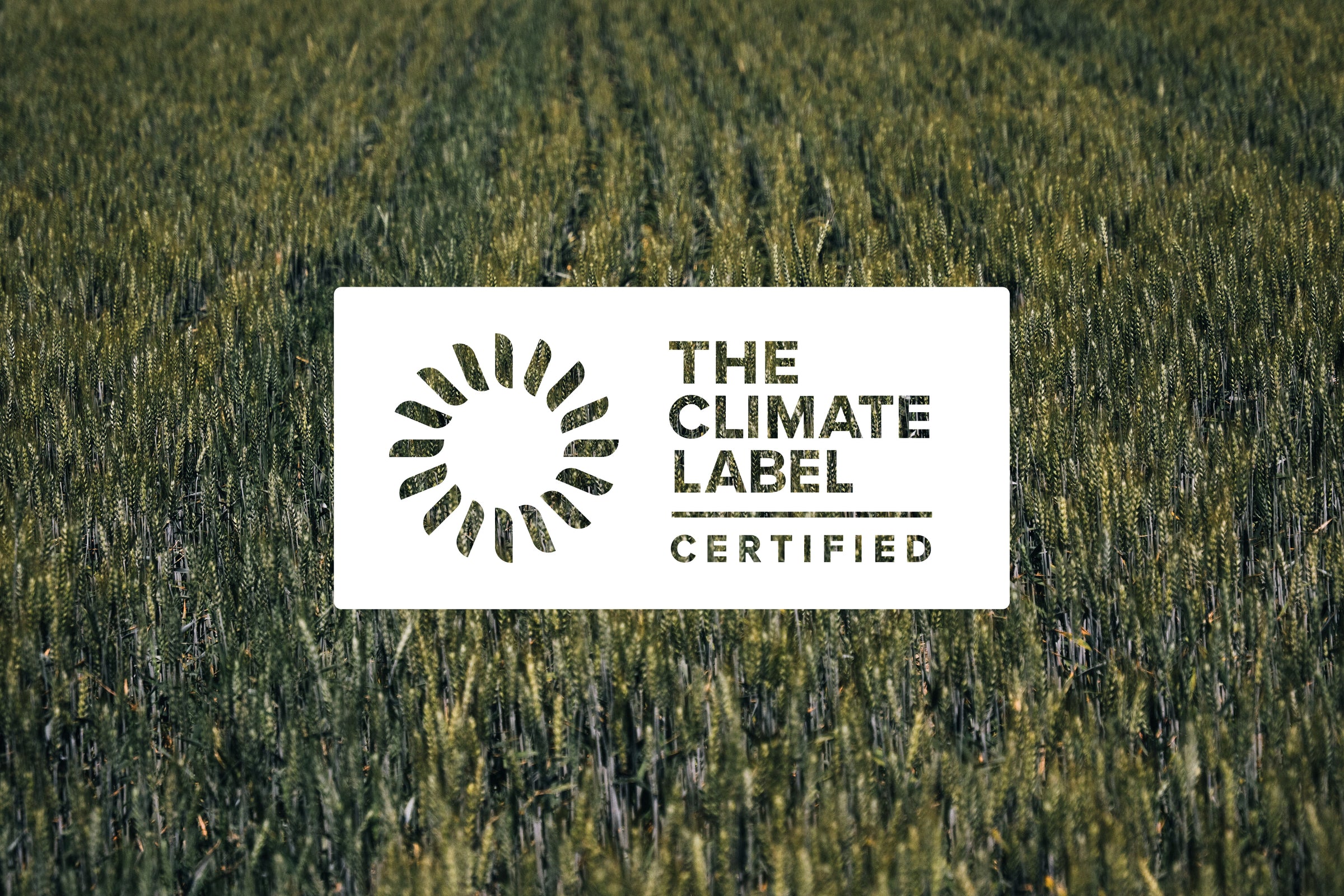
Our products now carry The Climate Label, a trusted, independent standard for companies taking immediate climate action. You will see this change on package by the end of the year.
This designation signals that we are actively measuring, reducing, and funding solutions for our emissions today.
It also gives our customers a clear way to support brands working toward a more climate-resilient food system.
Looking Ahead
This work is far from finished.
We’ll continue refining how we measure impact, expanding farmer partnerships, and investing in practices that improve outcomes on the ground. Sustainability isn’t a static goal, it’s a commitment to continuous progress.


